
The clocks go back one hour at 2am on Sunday 25 October 2026, when British Summer Time ends. Mornings get a little lighter, but the afternoon light goes almost overnight. For small trades and site-based businesses, this is a good week to look at rotas, finish times and timesheets.

How much daylight you lose
In London, sunset on Saturday 24 October is at 5:48pm. On Sunday 25 October it's 4:46pm, and by 31 October it's 4:35pm. Further north the light usually goes earlier still, so check the times for where your sites are.
So a job that finished in daylight last week may now end in the dark.
Light matters on site. HSE figures show that 35 construction workers were killed at work in Great Britain in 2024/25, and that 53% of construction deaths over the last five years were falls from height. An average of around 50,000 construction workers a year reported a non-fatal injury at work between 2022/23 and 2024/25. Poor light makes risky tasks harder to do safely.
Plan the day around the light
- Bring start and finish times forward where you can, agree changes early, and put them on the rota.
- Do the risky jobs first. Get work at height, cutting and lifting done in good light, and leave tidying and paperwork until later.
- Light the way out. Walkways, stairs, scaffold access and car parks should be lit before people pack up.
- Update risk assessments and RAMS if winter hours or methods change.
Lone working and staying visible
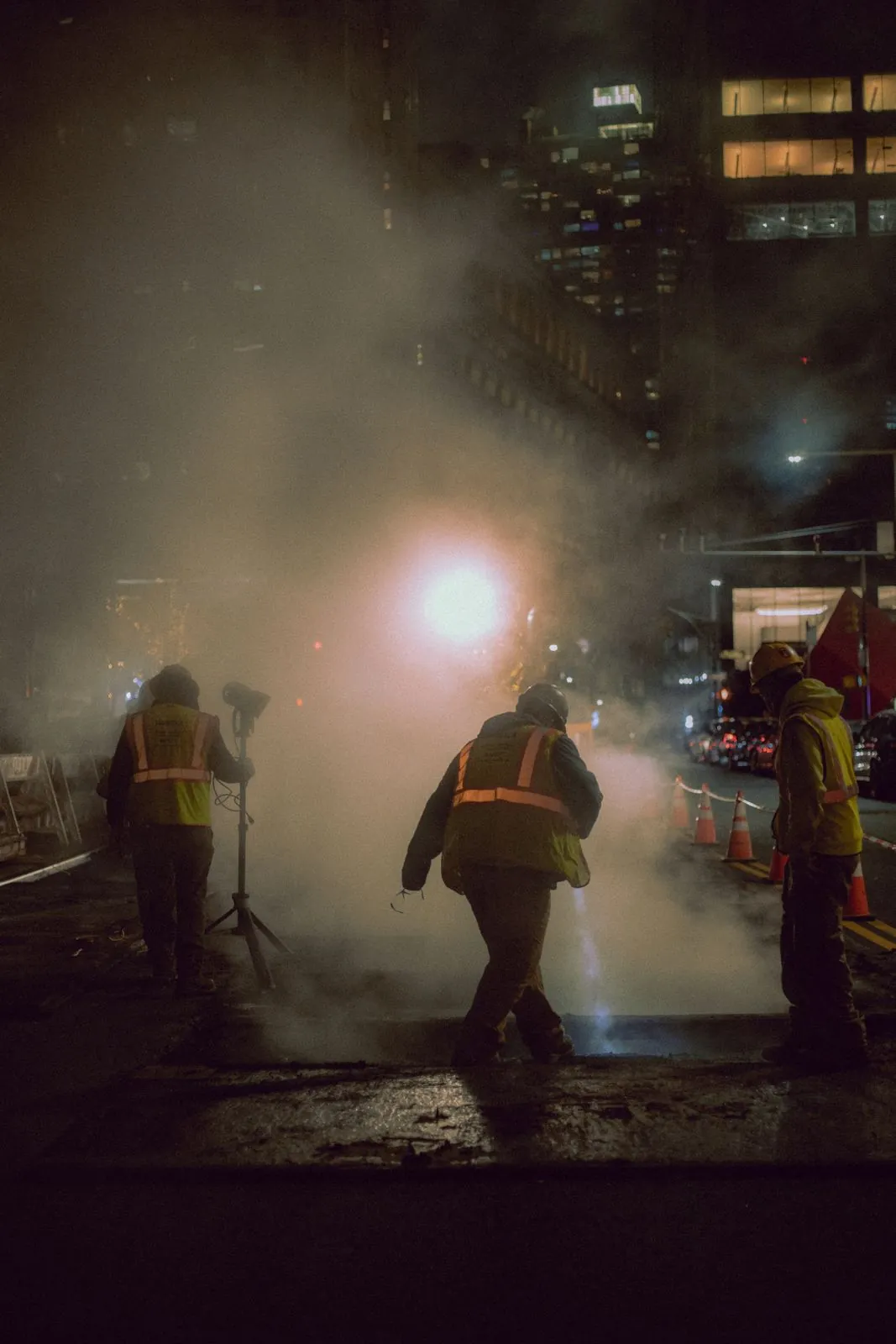
HSE says employers must manage the health and safety risks before anyone works alone, and this includes self-employed people working for you. It also notes that many lone workers face work-related road risks. In the darker months:
- know who is on which site and when they expect to finish
- agree an end-of-day check-in, such as a text or call, for anyone working alone
- make sure people have working head torches and hi-vis
- avoid leaving one person to lock up a remote site in the dark
Getting home safely
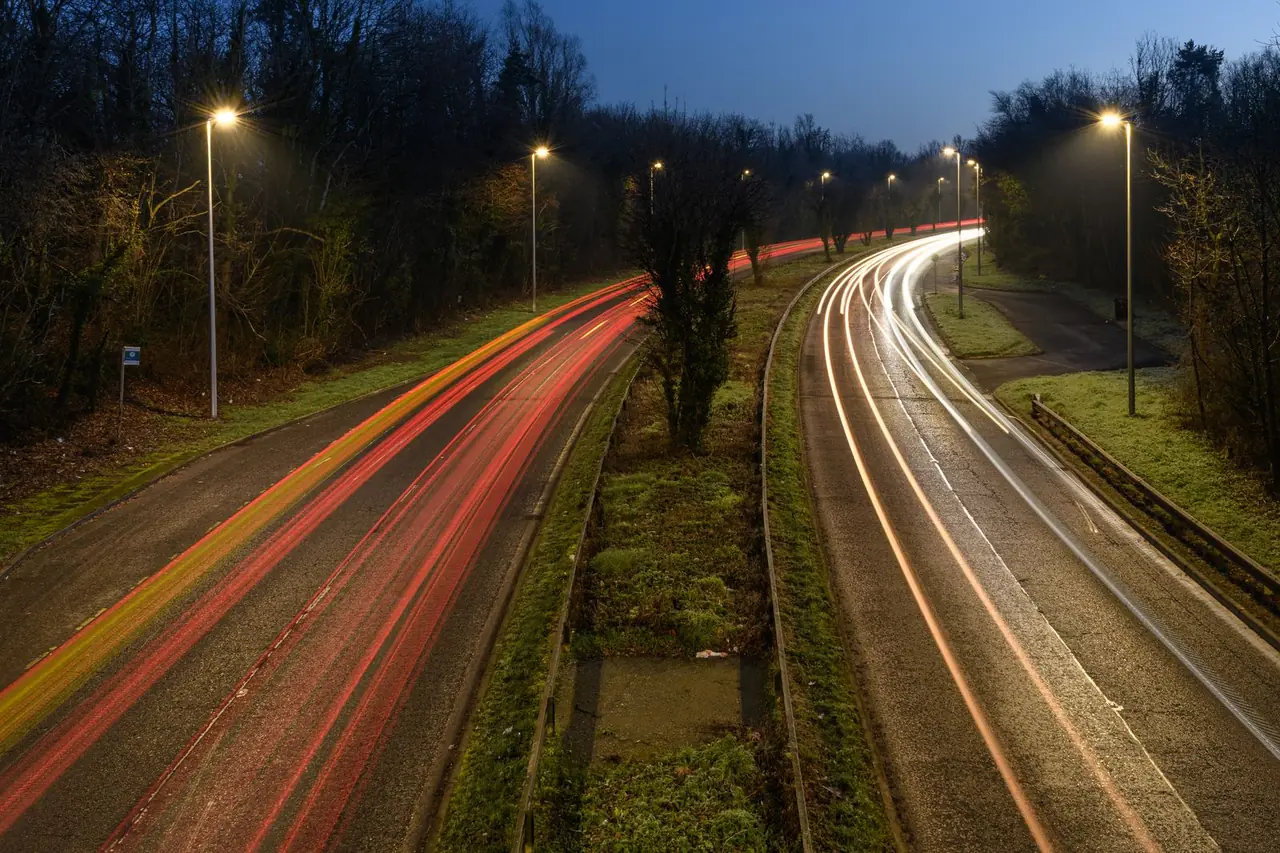
RoSPA says over 2,500 people were killed or seriously injured on Great Britain's roads in October in both 2023 and 2024. Its advice is to slow down in residential areas, keep windscreens clean and check lights regularly, put phones away, and drive to the conditions, because wet leaves, fog and less daylight all affect the roads.
Tiredness after a long, physical shift adds to the risk, so think about long drives home in the dark. Quick weekly van checks of lights and wipers are worth adding to the routine.
Clock-ins, timesheets and the clock change
Most daytime teams won't notice the change at work, but it's easy to get mixed up:
- Remind anyone working early on Sunday 25 October about the change, so nobody turns up an hour early.
- Record the hours actually worked, not just the rota hours.
- Check that week's timesheets for odd entries before preparing pay.
Night and overnight shifts that cross 2am
If someone is working at 2am, the clocks go back to 1am and they work that hour twice. A shift that normally runs from 9pm to 3am lasts seven hours that night instead of six.
Whether you pay for the extra hour depends mostly on the contract:
- Paid by the hour? Generally, the extra hour should be paid.
- Salaried or a fixed shift rate? Extra pay usually only applies if the contract says so. However, pay must never fall below the National Minimum Wage once the extra hour is counted. From April 2026, the National Living Wage for workers aged 21 and over is £12.71 an hour.
- Contract sets hours, not times? If the contract sets the number of hours rather than start and finish times, you could agree that the person finishes an hour earlier instead.
- Don't forget the working time limits. Under the Working Time Regulations, night workers must not work more than an average of 8 hours in 24. If the work involves special hazards or heavy strain, the 8-hour limit applies without averaging.
If your contracts don't cover this, decide your approach now, tell your team, and use the same approach every year, remembering that in March overnight shifts lose an hour.
How Employr helps
Employr is a web app for small teams that works in a mobile browser on site (Android and iOS apps are in development).
- Shared rota and calendar, so everyone can see revised winter start and finish times.
- Clock in/out and attendance reports (Free plan and above), so you can see who's on site and the hours worked, including around the clock change.
- Holidays and absences (Starter and above).
- Projects, forms and signatures, risk assessments and safety reports, and equipment and uniform tools (Team plan and above). Handy for updating winter RAMS, logging a poorly lit walkway or recording issued hi-vis.
- Pay preparation (Business plan and above), with breakdowns, overtime, allowances and deductions ready to pass to your payroll. Employr doesn't run payroll itself.
Every plan is a fixed monthly price with no per-employee charge, and it's free for up to 5 employees with no card needed. See the pricing page.
Make the switch to winter hours easier
A quick look at rotas, finish times and night shifts this week will make the darker months safer and simpler. If you'd like one place for rotas, clock-ins and site paperwork, take a look at Employr.
This article is general guidance, not legal advice. Check your own contracts and seek advice from Acas or a professional if you're unsure.
Sources
- GOV.UK, When do the clocks change? https://www.gov.uk/when-do-the-clocks-change
- timeanddate.com, Sunrise and sunset times in London, October 2026: https://www.timeanddate.com/sun/uk/london?month=10&year=2026
- HSE, Construction statistics in Great Britain, 2025: https://www.hse.gov.uk/statistics/assets/docs/construction.pdf
- HSE, Lone working: Protect those working alone: https://www.hse.gov.uk/lone-working/employer/index.htm
- RoSPA, Autumn road safety: how to stay safe as nights draw in (23 October 2025): https://www.rospa.com/health-and-safety-news/darker-driving
- Accountancy Daily, Clocks changing and pay calculations: https://www.accountancydaily.co/clocks-changing-and-pay-calculations
- Acas, Pay for working extra hours: https://www.acas.org.uk/pay-for-working-extra-hours
- Acas, Night workers (Working time rules): https://www.acas.org.uk/working-time-rules/night-workers
- GOV.UK, National Minimum Wage and National Living Wage rates: https://www.gov.uk/national-minimum-wage-rates